
Volcanic Mineral
Soil Rejuvenation
Nature’s Fertility Eruption: Volcanic Mineral contains trace elements that plants and crops crave for optimum growth.
Eco-Friendly Abundance: Volcanic Mineral is also eco-friendly. By enhancing soil health, it reduces the need for synthetic fertilizers and promotes sustainable, earth-friendly gardening practices.
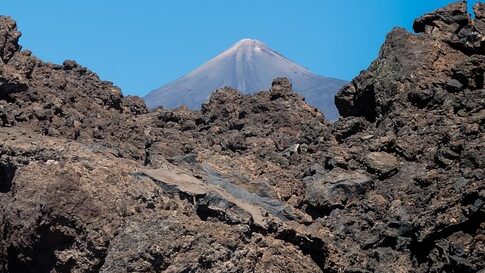
Volcanic Mineral is Critical for Soil Rejuvenation
•Restoring degraded, depleted, or exhausted soil back to a fertile, biologically active, and productive state. Volcanic Mineral plays a powerful role in this process due to its unique natural composition.
•Volcanic Mineral is one of nature’s most complete soil rejuvenation materials because it works on all dimensions of soil health simultaneously.
Hallmark:
•This Volcanic Mineral material is rich in Humic Acid and Organic Carbon, making it an excellent soil conditioner and biological stimulant. The presence of balanced macro and micronutrients (Fe, Zn, Mo, Mn, Ca, Mg, S) supports healthy plant growth from root development to photosynthesis and fruit/seed production.
•Fertility: It is highly fertile and considered some of the best organic material for agriculture. It naturally contains a wealth of minerals.
•High Organic Matter Accumulation: With a superior ability to sequester and store organic carbon, this makes them vital for global carbon cycle regulation.
•Effective Internal Drainage: Despite their high water retention, their high permeability ensures good drainage, preventing waterlogging which can be harmful to many plant species.
•Superior Water Holding Capacity During Dry Seasons: With its unique structure, it has an incredible water-holding capacity, acting like a sponge to keep plants hydrated when rain is scarce.

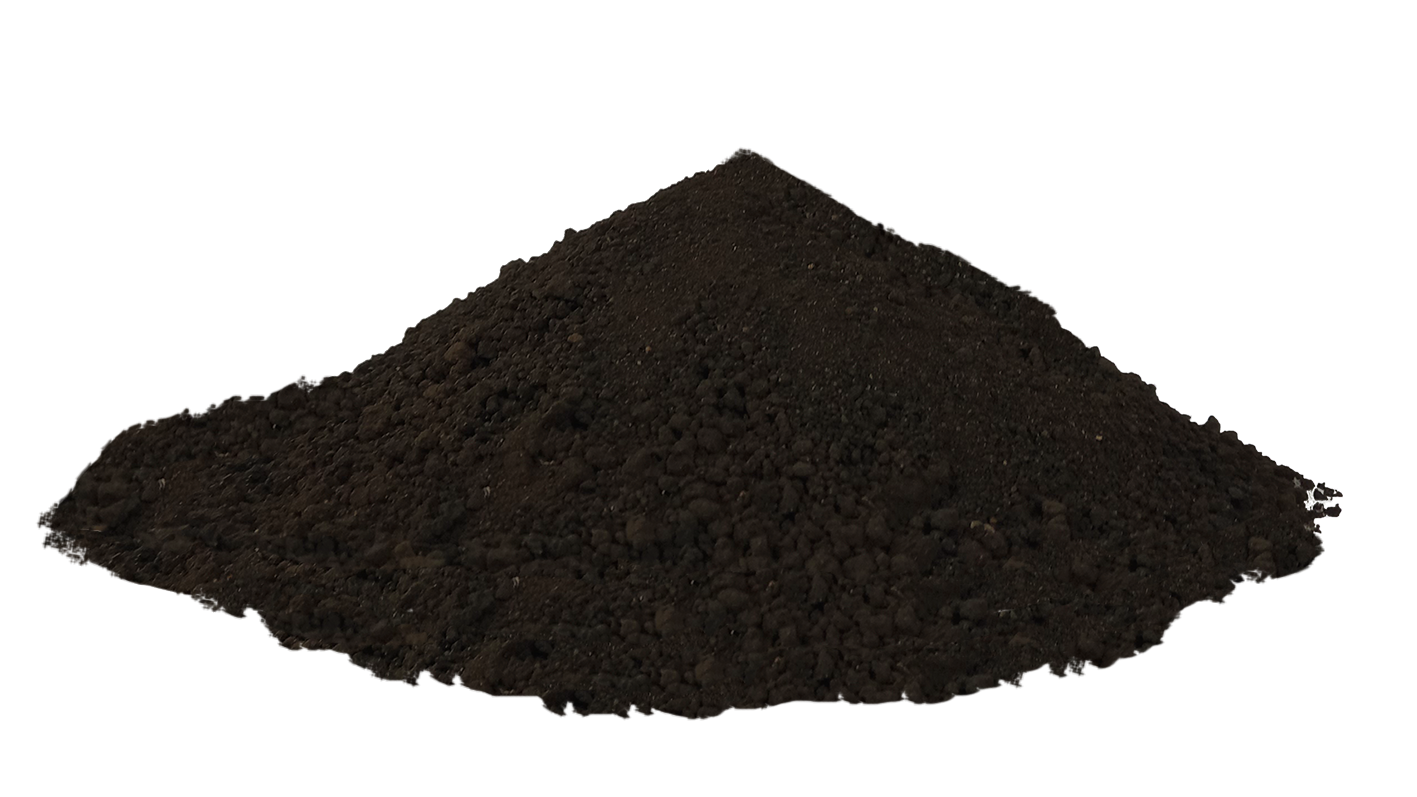
Fertile sediment extracted from volcanic eruption which is rich in trace elements

Increases soil fertility for plants to grow abudantly

Prevents water evaporation and soil drought
| CALCIUM | 0.20 % |
| MAGNESIUM | 0.14 % |
| MOLYBDENUM | 20 MG/KG |
| SULFUR | 0.03 % |
| MANGANESE | 0.11 % |
| IRON | 4.66 % |
| HUMIC ACID | 39.10 % |
| ORGANIC CARBON | 12.65 % |
Benefits for Soil and Plants:
•It stabilizes organic matter and creates a stable structure that resists erosion.
•Excellent Structure and Porosity and Enhanced Root Development: Their “light and fluffy” nature results in low soil density and high porosity. This structure resists compaction and allows for efficient root penetration.
•High Cation Exchange Capacity (CEC): This allows the soil to effectively hold and exchange essential nutrients, preventing them from leaching away.
•Humic Acid: Enhances nutrient uptake, stimulates root growth, and improves seedling vigor
•Organic Carbon: Indirect energy source for root-zone microbes that supply nutrients to plants
•Continuous Nutrient Supply: They are naturally enriched with minerals.
•High Agricultural Productivity: They are world-renowned for supporting intensive cropping and high yields for a wide variety of plants, including:
•Horticultural crops: Vegetables like potatoes and fruits
•Estate crops: High-value plantations of tea, coffee, cocoa, and tobacco.
•Cereals: Rice and maize.